Comparing Whole Food Smoothie Diets: Which Ingredients Maximize Weight Loss?
If you have ever tried a “weight loss smoothie” and felt like it did nothing, you are not alone. I have watched this happen with everything from bright green detox blends to fruit-heavy cups that tasted amazing but left people hungry again an hour later. The difference usually is not willpower. It is the ingredients, how they work together, and whether the smoothie supports fat loss by improving satiety and meal quality, not by relying on hype.
A whole food smoothie diet can be a helpful structure, especially when it replaces a less satisfying meal. But “whole food” does not automatically mean “weight-loss friendly.” Some whole ingredients help, others can work against your goals depending on the portion, pairing, and overall daily balance.
Below is a practical comparison of common whole food smoothie approaches, with a focus on the ingredients that most consistently support weight loss outcomes.
What “maximizing weight loss” really means in a smoothie
A smoothie that helps weight loss usually does three things well:
- It keeps you full long enough that you naturally reduce total calories without tracking.
- It steadies blood sugar enough to prevent the rapid hunger spike that often follows high-sugar blends.
- It supports protein and fiber intake so your body has what it needs for recovery and consistent appetite control.
When people compare whole food smoothie diets, they often focus on micronutrients. Those matter, but for weight loss, macronutrients and fiber timing tend to drive day-to-day results. The most effective whole food smoothie recipes weight loss usually come from a strong base, a smart protein source, and fiber that stays intact enough to slow digestion.
If you want an easy way to judge a smoothie before you drink it, ask: will this keep me satisfied for 3 to 4 hours, not 45 minutes?
Ingredient comparisons that change outcomes
Not all “whole” ingredients behave the same. Here are the ingredient categories I compare most often with clients and friends who are trying to lose weight in real life, not just on paper.
Protein: the anchor for satiety
Protein is the ingredient most tied to staying power. In smoothies, the difference between “some protein” and “enough protein” can be the difference between skipping snacks and spiraling toward them.
Whole food options that typically perform well include:
- Greek yogurt or skyr (if tolerated): naturally thick, high protein, and often easy to digest.
- Cottage cheese (blended smooth): surprisingly effective, especially with berries.
- Silken tofu: mild flavor, blends well, and adds protein without a lot of sweetness.
Trade-off to be aware of: these choices are usually less “dessert-like” than banana or mango-forward blends. If you chase thick, sweet smoothies, you may add more fruit than you need, which can weaken the satiety effect.
Fiber: slows hunger, supports fullness
Fiber does not just come from any healthy plant. It needs to be present in meaningful amounts and paired with ingredients that do not overwhelm it with sugar.
In whole food smoothies, fiber tends to be strongest when you use:
- Chia seeds or ground flax
- Oats (rolled oats, not sweetened oat drinks)
- Whole fruit with skin when appropriate, like berries and apples, rather than relying on juice
A quick lived-experience note: many people “accidentally” create low-fiber smoothies by blending fruit with no fiber add-ins. The smoothie looks healthy, but it behaves like a liquid snack. If you are comparing whole food smoothie diets, fiber is one of the levers that most consistently improves weight-loss friendliness.
Carbohydrates: fruit is not the enemy, portion is
Fruit can support weight loss, but it can also stall progress if the smoothie becomes a sugar delivery system. Whole fruit contains fiber and micronutrients, yet it still adds calories. The goal is to choose fruit that adds flavor without turning the smoothie into a high-calorie treat.
In my experience, people do best when they keep fruit to a moderate portion and let other ingredients carry the fullness. A common pattern that works: berries plus one smaller fruit, rather than stacking multiple fruits.
If you are doing this style often, you will notice a big difference in cravings when you choose:
- berries over mango or grapes
- cinnamon and vanilla over sweet syrups
- smaller servings of fruit paired with protein and fiber
Healthy fats: helpful, but easy to overdo
Whole food fats can improve texture and satisfaction, especially for people who struggle with smoothie hunger. But fats are calorie-dense, so they need intention.
Good whole food fat sources include:
- nut butter (use measured amounts)
- unsweetened coconut flakes (light hand)
- avocado (small to moderate portions)
A common mistake is assuming “healthy fat” means “free.” If your weight loss has stalled, I often check nut butter portions first, because it is one of the fastest ways to add extra calories without increasing protein.
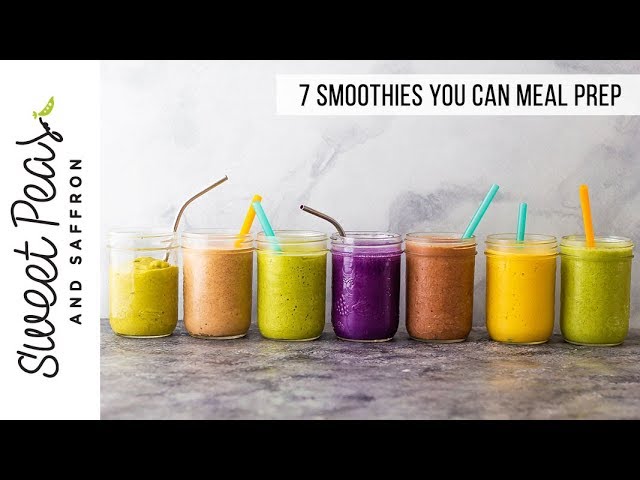
Whole food smoothie diet styles, compared by ingredient choices
There is no single best whole food smoothie diet. The best approach depends on your current habits, appetite, and whether you are replacing meals or adding smoothies on top of them. Still, ingredient patterns tend to cluster into a few recognizable styles.
1) Protein-forward smoothie diets
Typical ingredients: Greek yogurt or skyr, tofu, cottage cheese, chia or flax, berries, oats.
Why this style helps weight loss: it combines protein plus fiber, which usually reduces late-morning and afternoon cravings. These smoothies often feel thicker and more satisfying, so people naturally eat less later.
Where people slip: they may still add lots of sweet fruit for taste, or they may underuse fiber, thinking protein alone will do the job.
2) Fruit-forward “clean” smoothie diets
Typical ingredients: banana, mango, berries, plant milk, maybe spinach, sometimes no added protein.
Why it can feel good: flavor is easy, and smoothies go down fast.
Why it often stalls: even with whole fruit, the smoothie can become low in protein and moderate in fiber. The result is a fast appetite rebound. This does not mean fruit is bad. It means fruit needs the right partners.
3) Green smoothie diets with minimal protein
Typical ingredients: spinach or kale, cucumber, lemon, apple, green powders (sometimes), light plant milk.
Why people like them: they feel refreshing and “light.”
Weight loss challenge: if protein is missing, you may end up compensating with snacks later. If your goal is fat loss, the smoothie needs to be more than a vegetable delivery system.
4) Balanced “whole bowl” smoothie diets
Typical ingredients: a protein base, measured fruit, oats or chia, optional avocado or nut butter, and often cinnamon or cocoa for satisfaction.
This is usually where I see the best overlap between taste and weight loss. You get satiety and fewer cravings, without needing extreme restrictions.
A practical way to choose ingredients for weight loss
You do not need to memorize macros. You need a repeatable ingredient strategy. Here is a straightforward decision process I use because it is easy to apply in the kitchen.
Ingredient comparison checklist (quick and honest)
- Start with a protein base (yogurt, skyr, tofu, or cottage cheese).
- Add a fiber anchor (chia, ground flax, or oats).
- Choose fruit deliberately (one small serving, berries when possible).
- Limit fat to a measured amount (nut butter, avocado, or coconut).
- Flavor with spices instead of sweet add-ons (cinnamon, vanilla, cocoa).
If you compare whole food smoothie diets using this checklist, you will usually find the one that matches your appetite and lifestyle. It also makes troubleshooting easier when weight loss stalls.
How to troubleshoot when your smoothie diet stops working
If your weight loss smoothie ingredients comparison leads you to “everything is healthy,” you might still be missing the missing piece. Common culprits include portions, timing, and using smoothies as extras rather than replacements.
Here is what to check first, based on what I see most often:
1) Portion creep: fruit and nut butter servings quietly expand.
2) Too little protein: the smoothie tastes fine, but you feel hungry too soon. 3) Low fiber: the smoothie becomes more like a drink than a meal. 4) Inconsistent timing: you replace dinner on weekdays but add smoothies on weekends, and total calories rise. 5) Not matching your schedule: if you blend a large smoothie and then sit all day, appetite regulation can The Smoothie Diet review still be off.The best whole food smoothie diet effectiveness usually shows up as steady appetite and fewer snack decisions, not as dramatic detox claims. You should feel like your body is cooperating, not negotiating.
Putting it together: ingredient combinations that tend to work
If you want “best whole food smoothie recipes weight loss” without guesswork, think in combinations rather than single ingredients. A reliable pattern is: protein base + fiber anchor + modest fruit + controlled flavor fats.
For example, many people do well with a smoothie like: - Greek yogurt or skyr blended with berries - chia or ground flax for fiber - oats for additional fullness - cinnamon for taste, not sweetness
Another option for variety: - silken tofu blended with cocoa and vanilla - a smaller amount of banana or berries - ground flax or chia - a measured spoon of nut butter if you tolerate it well
When you compare Whole food smoothie diet approaches, the ingredients that maximize weight loss tend to be the ones that keep you satisfied and reduce the need for additional eating later. Whole foods are the foundation, but protein, fiber, and portion control are the actual levers.
Weight loss is not about forcing a perfect smoothie. It is about building a whole food smoothie diet you can stick with, that keeps hunger calm, and that makes it easier to choose meals that support your goals.